Banking
Best Banks in Germany for Expats: Top Picks & Guide for 2026
Your bank account is what your employer pays into and what your landlord wants for rent and the deposit. Which German banks open easily for newcomers, the fees to watch, and how to set one up.
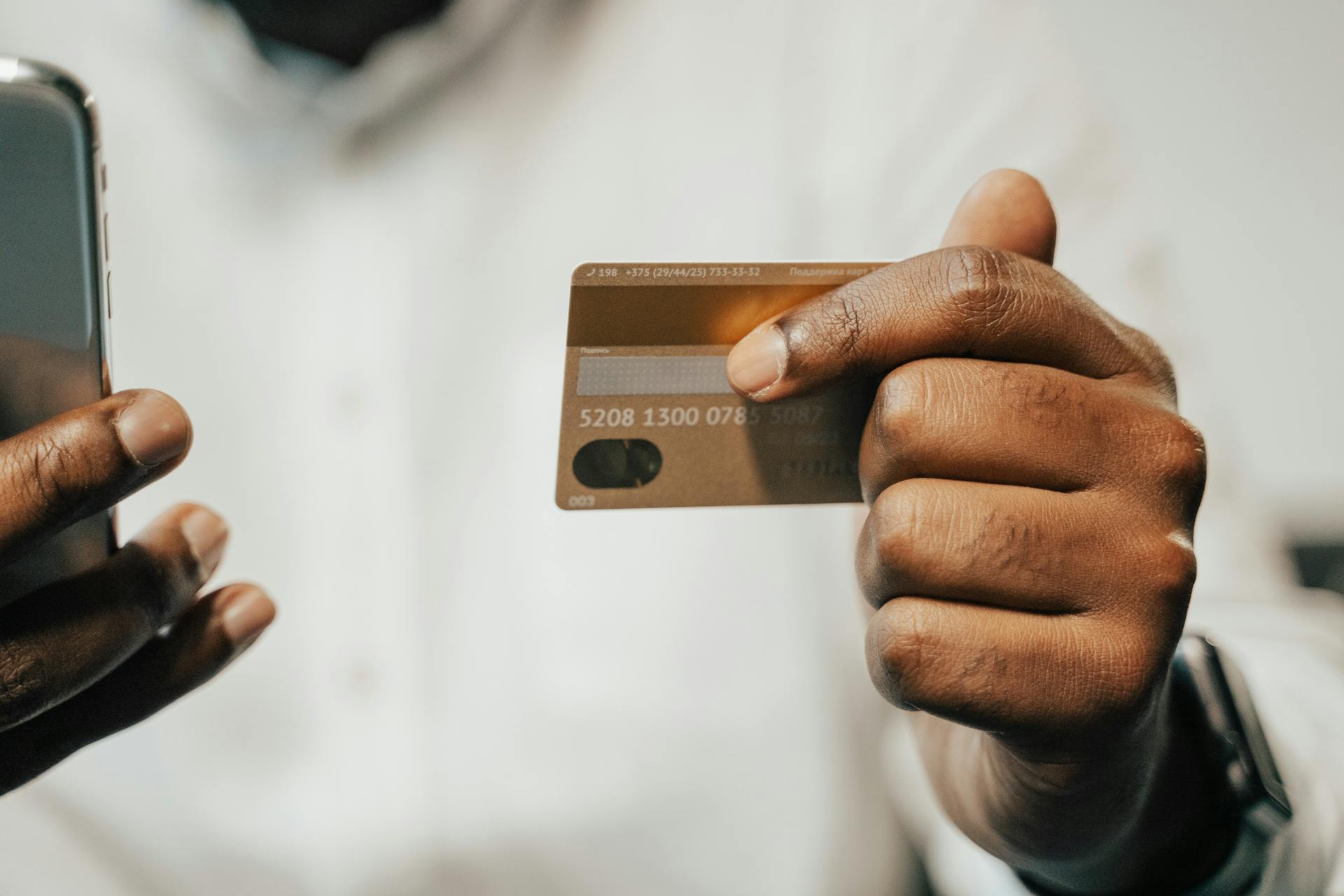
Your German bank account is not a side errand. It is the account your employer pays into, the IBAN your landlord wants for rent and the Kaution deposit, and the routing number tied to your Steuer-ID tax setup at the Finanzamt. On 21 June 2026, BaFin updated its VideoIdent guidance for retail banking, clarifying that EU and EEA residents can complete Girokonto onboarding through certified video identification without a branch visit, provided the bank's process meets anti-money-laundering standards under the Geldwäschegesetz. That change matters for expats who land on a Friday and need an IBAN before payroll runs on the 25th.
This guide compares the best banks in Germany for expats as of June 2026, from Sparkassen and Volksbanken to N26, DKB, and ING. You will see real fees, real timelines, and which banks work without full Anmeldung (city registration).
Why Your Bank Choice Matters as an Expat in Germany in 2026
A Girokonto (checking account) sits at the center of German daily life in ways that surprise newcomers. Landlords routinely ask for three months of payslips and a German IBAN before signing a lease. Employers in Germany almost always pay salary by SEPA transfer, not cheque. Your health insurer, Rundfunkbeitrag (broadcast fee), and later your Steuererklärung (tax return) all connect back to one account.
Pick the wrong bank and you pay 5 to 7 EUR every month in Kontoführungsgebühren (account maintenance fees) for features you never use. Pick a neobank without cash-deposit options and you waste 45 minutes hunting a partner ATM every time a roommate pays rent in cash. Pick a branch bank in a city where you do not live and you queue 25 minutes to replace a lost Girocard.
The right account also sets up your longer-term finances. Once you have 6 to 12 months of clean account history, you can apply for personal loans for expats in Germany, explore mortgage providers for expats in Germany, or move surplus cash into investment platforms for expats in Germany. Your Girokonto is the foundation. Build an emergency fund strategy for expats in Germany in a linked Tagesgeldkonto (savings account) once payroll is stable.
What You Need to Open a Bank Account in Germany as an Expat
German banks follow KYC rules under the Geldwäschegesetz. Every institution asks for identity proof, address proof, and a reason you need an account. Requirements differ sharply between digital neobanks and traditional branch networks.
- Valid passport or EU national ID - non-EU citizens also need a residence permit or visa that allows employment or study. A tourist Schengen stamp alone is not enough for most Girokontos.
- Anmeldung (city registration) - the Meldebescheinigung from your local Bürgeramt or Bürgerbüro. Most Sparkassen, Volksbanken, Commerzbank, and Deutsche Bank branches require it. DKB and ING ask for it during PostIdent or VideoIdent. N26 is the main exception for initial onboarding.
- Proof of address - your rental contract (Mietvertrag) or the Anmeldung certificate itself. Some banks accept a employer letter with your German work address.
- Employment or enrollment proof - an Arbeitsvertrag (employment contract), university enrollment certificate (Immatrikulationsbescheinigung), or freelancer Gewerbeanmeldung. Banks use this to assess whether you can meet minimum incoming-payment rules.
- German tax ID (Steueridentifikationsnummer) - not always required on day one, but payroll and tax reporting go smoother once the Finanzamt posts it to your registered address (often 2 to 4 weeks after Anmeldung).
- Schufa or credit check consent - most banks run a Schufa query. A thin or foreign file does not always block opening, but it can limit overdraft and credit products.
Warning: Without Anmeldung, your options narrow to a handful of digital banks. You can start with N26, but landlords and employers may still want a "full" German account with a branch-backed IBAN later.
Common blockers before you apply
No Meldebescheinigung yet. Bürgeramt appointments in Berlin run 2 to 6 weeks out in June 2026; Munich and Hamburg are often 3 to 4 weeks. Book the slot on your arrival day.
Visa pending. Banks want a valid Aufenthaltstitel, not just an appointment confirmation at the Ausländerbehörde. A Blue Card approval letter plus passport stamp usually works; a visa application receipt alone often does not.
US citizenship. FATCA reporting makes a few institutions cautious. DKB, ING, and N26 still onboard US persons, but expect extra tax-residency questions. Some Sparkassen decline US citizens entirely.
Best Traditional Banks in Germany for Expats: Top Picks for 2026
Shortcut: see our ranked picks for Best Bank Accounts for Expats in Germany.
Compare now →Branch-network banks still win when you need in-person help, certified paper statements for visa extensions, or easy cash deposits. Fees and English support vary by city, not just brand.
Sparkassen (local savings banks)
There are roughly 370 Sparkassen in Germany. Your account is tied to the Sparkasse whose district you register in. The Girokonto Komfort package runs 5.95 EUR per month at Berliner Sparkasse as of June 2026, with a free Girocard and 4 free cash withdrawals per month at Sparkasse ATMs nationwide. English phone support exists at larger city Sparkassen, but branch staff in smaller towns may default to German. Onboarding requires Anmeldung, passport, and an in-branch appointment (30 to 45 minutes). Processing time: same-day IBAN, Girocard arrives in 5 to 7 business days.
Volksbanken and Raiffeisenbanken
Genossenschaftsbanken mirror Sparkassen: local membership, strong ATM network, in-person service. Monthly fees run 3.95 to 6.90 EUR depending on the package. Berliner Volksbank charges 4.95 EUR for its BasisKonto as of 2026. English support is hit-or-miss outside university cities. Good fit if your employer or landlord already banks there and you want face-to-face dispute resolution.
Commerzbank
Commerzbank's Girokonto Start costs 0 EUR per month if you receive at least 700 EUR in monthly incoming payments, otherwise 9.90 EUR as of June 2026. Branch network covers most cities. The banking app is in English. VideoIdent onboarding is available for new customers with German residence. Expect 3 to 5 business days for card delivery.
Deutsche Bank
Deutsche Bank AktivKonto costs 6.90 EUR per month as of 2026, waived until age 30 on the Junges Konto product. English is standard at major branches in Frankfurt, Munich, Berlin, and Hamburg. The bank issues widely accepted debit cards and is familiar to international HR departments. Schufa check on application. Branch appointment or VideoIdent, then 5 to 7 business days for the physical card.
Best Digital Banks and Neobanks for Expats in Germany
Mobile-first banks cut setup time and often skip branch queues. Trade-off: cash deposits are limited or impossible, and complex banking letters may take longer.
N26
N26 Standard is 0 EUR per month as of June 2026. Account opening takes 8 to 12 minutes in the app with passport verification. You do not need Anmeldung to open, which answers the FAQ directly: yes, expats can open N26 before registration, though you must update your address after Anmeldung. Free euro-zone ATM withdrawals up to 3 per month on Standard; unlimited on paid Smart (4.90 EUR) and Metal (16.90 EUR) tiers. Downsides: no personal chequebooks, no cash deposits, and customer service is chat-only. Debit Mastercard works at virtually all German card terminals.
DKB (Deutsche Kreditbank)
DKB is Germany's largest direct bank and a long-standing expat favorite. The DKB Girokonto is 0 EUR per month when you receive at least 700 EUR in monthly incoming payments, as of June 2026. You get a free Visa debit card with fee-free card payments worldwide and generous ATM withdrawal conditions abroad. Onboarding requires Anmeldung plus PostIdent at a Deutsche Post branch or VideoIdent (15 to 20 minutes). Account activation takes 7 to 10 business days. Cash deposits are not supported. DKB is strong for frequent travelers and anyone sending SEPA transfers across the EU.
ING
ING Girokonto is 0 EUR per month with 700 EUR minimum monthly incoming as of 2026, otherwise 4.90 EUR. The app and website are available in English. VideoIdent works well for expats with Meldebescheinigung. ING pairs the Girokonto with a popular Tagesgeld savings account (check ing.de for the current rate as of June 2026). Card delivery: 5 to 7 business days.
Other online options worth a look
Comdirect (Commerzbank subsidiary) offers a free Girokonto with 700 EUR incoming rule and solid brokerage integration. 1822direkt (Frankfurter Sparkasse) provides free banking with conditions and Sparkasse ATM access. C24 Bank targets fee-conscious users with app-first design. Compare minimum-incoming rules before you apply; missing them triggers 4.90 to 9.90 EUR monthly charges.
Tip: Open a digital account fast for your first payslip, then add a Sparkasse or Volksbank account later if you need cash deposits or branch letters for your Ausländerbehörde appointment.
Best Banks by Expat Profile: Students, Employees, Freelancers, and Families
Students
Under-28 accounts at Deutsche Bank (Junges Konto) and Sparkasse youth products cost 0 EUR per month with proof of enrollment. N26 Standard works if you need an IBAN before Immatrikulation arrives. ING and DKB waive fees with 700 EUR incoming, which a part-time job or Block account transfer can satisfy. Student block accounts (Sperrkonto) from Fintiba or Expatrio are separate products for visa proof, not daily spending.
Employed expats (EU and Blue Card)
With a signed Arbeitsvertrag and Anmeldung, DKB or ING gives you free banking plus strong SEPA and international card use. Commerzbank and Deutsche Bank make sense if your employer prefers legacy institutions for payroll verification. Blue Card holders face no special banking restrictions beyond standard residence proof.
Freelancers and Gewerbetreibende
You need clean separation between personal and business flows. A standard Girokonto works for Kleinunternehmer; many freelancers add a business account (Geschäftskonto) at Holvi, Kontist, or Finom for automated tax reserves. Sparkasse business desks help with Kundenstamm-Verzeichnis paperwork. DKB and N26 work for personal spending while you invoice clients via a dedicated business IBAN elsewhere.
Families
Joint accounts (Gemeinschaftskonto) are free or low-cost at ING, DKB, and most Sparkassen. Each adult passes Schufa and ID checks. Commerzbank and Sparkasse issue secondary cards for partners. Families sending money abroad should compare SEPA costs (usually 0 EUR within the euro zone) against Wise or Revolut for non-euro corridors; your German bank's outbound SWIFT fee often runs 15 to 25 EUR per transfer as of 2026.
Fees, Schufa, and Credit: What Expats Should Know Before Choosing a Bank
German retail banking looks inexpensive until you miss a waiver condition. Here is what to budget as of June 2026.
| Fee type | Typical range | How to avoid it |
|---|---|---|
| Monthly Kontoführung | 0 to 9.90 EUR | Meet 700 EUR incoming (DKB, ING, Commerzbank) or choose N26 Standard |
| Girocard replacement | 6 to 15 EUR | First card usually free; treat it like an ID document |
| Foreign ATM withdrawal | 0 to 5 EUR plus FX markup | Use DKB Visa or N26 Metal abroad; check your tier's free limits |
| Disponentenkredit (overdraft) | 6.9% to 12.9% interest | Only after Schufa review; expats start with 0 EUR limit |
| Outbound SWIFT transfer | 15 to 25 EUR per payment | Use SEPA for euro-zone; Wise for other currencies |
Schufa and your credit file
Most Girokonto applications include a Schufa Auskunft. A Kontenwechsel or new account entry does not destroy your score. No Schufa history yet? Banks may still open a basic account under the Girokonto-Richtlinie, but overdraft and best credit cards for expats in Germany come later. You do not need an existing Schufa score to open a standard checking account at N26, DKB, or Sparkasse, though negative entries (unpaid bills registered in Germany) can block you. Read our guide to build credit score in Germany as an expat for the 12-month playbook.
Free Girokonto conditions in 2026
The genuinely free accounts share one pattern: 700 EUR monthly incoming (DKB, ING, Comdirect) or no monthly fee by default (N26 Standard). Sparkasse free accounts usually require you to be under 25 or a student. Read the Preisverzeichnis PDF before you tap "open account."
How to Compare Banks: Girokonto Features Checklist for 2026
Use this side-by-side framework before you commit. Score each bank 0 to 2 per row (0 = missing, 1 = partial, 2 = strong).
- ATM and cash access - Sparkasse and Volksbank win for free nationwide Girocard withdrawals. N26 and DKB are card-focused; cash deposits need a partner bank or Postbank counter (fees apply).
- SEPA and international transfers - All listed banks send free SEPA credit transfers in euros. For USD or GBP, compare outbound fees and FX spreads on the bank's price sheet.
- English support - N26, ING, Commerzbank app, and Deutsche Bank phone line offer English. Local Sparkasse service depends on branch staff.
- Debit card acceptance - Girocard (EC-Karte) is still king at German supermarkets and bakeries. Mastercard and Visa debit from neobanks work at most chains but occasionally fail on older terminals. Carry one Girocard-backed account if you shop at small Reformhaus or weekly markets.
- Overdraft (Dispo) - Expect 0 EUR limit for the first 3 to 6 months. Schufa-positive history gives you 500 to 3,000 EUR at 8% to 11% interest as of 2026.
- Savings integration - ING Tagesgeld, DKB Zinsanlage, and Sparkasse Festgeld link directly from the same login. Useful once your emergency fund target is met.
- Account statements for bureaucracy - Ausländerbehörde and landlords may want a stamped Kontoauszug. Branch banks print it on the spot; neobanks offer downloadable PDFs (confirm your case officer accepts them).
Step-by-Step: Opening Your German Bank Account in 2026
Follow this sequence and you will have a working IBAN within 1 to 10 business days depending on the bank.
- Shortlist 2 banks - one digital (N26 or DKB) and one traditional backup if you need cash or branch letters.
- Complete Anmeldung - book Bürgeramt within 14 days of moving in. Bring passport, rental contract, and landlord Wohnungsgeberbestätigung.
- Gather documents - passport, Meldebescheinigung, work contract or enrollment, and tax ID if already received.
- Apply online or book a branch slot - DKB and ING: start on the website, then VideoIdent or PostIdent. Sparkasse: online appointment at your local branch. N26: entirely in-app.
- Complete identity verification - VideoIdent takes 15 to 20 minutes with live agent. PostIdent at a Deutsche Post outlet takes 10 minutes plus queue time.
- Receive IBAN - digital banks email IBAN within 24 to 48 hours; branch banks often print it at the appointment.
- Activate cards and online banking - set PIN in app, enable 2-factor authentication (TAN app or photoTAN).
- Set up direct debits - add Lastschrift for rent, Rundfunkbeitrag, liability insurance, and gym contracts. Keep 1 extra month of rent as buffer in the account.
- Give HR your IBAN - submit before the payroll cutoff (often the 10th or 15th of the month). First salary may take one full cycle.
Frequently Asked Questions
Can expats open a bank account in Germany without Anmeldung?
Yes, but only at select digital banks. N26 allows onboarding with passport verification before Meldebescheinigung; you must update your address after registration. DKB, ING, Sparkasse, and Commerzbank require Anmeldung. For visa logistics, a preliminary account at N26 bridges the gap; switch or add DKB once registered.
Which German bank is best for English-speaking expats?
N26 and ING run fully English apps and support. Commerzbank and Deutsche Bank offer English phone banking and documents. Among branch networks, Berlin and Munich Sparkassen staff often speak English; rural branches may not. For all-English onboarding with low fees, start with N26 or ING.
Is N26 a good bank for expats living in Germany?
Yes for speed, free basic banking, and Mastercard acceptance. It is weaker for cash deposits, in-person support, and bureaucratic paper trails. Pair N26 with a Sparkasse account if you handle cash rent or need stamped statements for immigration offices.
Do I need a Schufa score to open a Girokonto in Germany?
No pre-existing score is required. Banks query Schufa to check for negative entries. First-time expats open accounts with a neutral file every day. Overdraft and credit cards need positive history built over months.
What is the best free checking account for expats in Germany in 2026?
DKB and ING lead on free ongoing use with 700 EUR monthly incoming, free card payments abroad, and solid apps. N26 Standard is the best free option without incoming-payment rules. Students under 28 should compare Deutsche Bank Junges Konto and local Sparkasse student packages at 0 EUR.
Can non-EU citizens open a German bank account with a work visa?
Yes. A valid work visa or Aufenthaltstitel plus Anmeldung and employment contract satisfies KYC at DKB, ING, Commerzbank, and Sparkasse. The 2023 EU single-market account rules and BaFin's June 2026 VideoIdent update both support remote onboarding for legal residents. Tourist visa holders cannot open standard Girokontos.
Your bank choice in 2026 comes down to three variables: how fast you need an IBAN, whether you handle cash, and how much English support you want. Open N26 tonight if payroll is urgent. Add DKB or ING after Anmeldung for free long-term banking with travel-friendly cards. Keep a Sparkasse appointment in your back pocket if bureaucracy demands a branch stamp. Match the account to your actual life, not a generic "best bank" list, and you will stop fighting paperwork and start using money like a local.
Common questions
- Do I need Anmeldung to open a bank account in Germany as an expat?
- Most Sparkassen, Volksbanken, Commerzbank, and Deutsche Bank branches require Anmeldung, but N26 is the main exception and lets you open an account before registration, though you must update your address afterward.
- Can I open a German bank account through video verification instead of visiting a branch?
- Yes, BaFin updated its VideoIdent guidance on 21 June 2026, clarifying that EU and EEA residents can complete Girokonto onboarding through certified video identification without a branch visit, as long as the process meets anti money laundering standards under the Geldwaschegesetz.
- Which bank is cheapest for expats who just need a free account with no minimum deposit?
- N26 Standard costs 0 EUR per month with no minimum incoming payment requirement, while DKB and Commerzbank only waive their monthly fee if you receive at least 700 EUR in monthly incoming payments.
- Can US citizens open a bank account in Germany?
- DKB, ING, and N26 still onboard US persons despite FATCA reporting concerns, though expect extra tax residency questions, and some Sparkassen decline US citizens entirely.
Our picks
Best Bank Accounts for Expats in Germany [2026]
A short, opinionated shortlist. Affiliate links pay for hosting, but nothing here is paid placement, and we only list services we’d use ourselves. See the full comparison →
N26
4.5Free mobile bank account with a German IBAN. Fully digital, English-friendly app.
Pros
- Free standard account
- Full English app
- Fast setup (under 10 min)
Cons
- No cash deposits
- No physical branches
DKB
4.4Germany's largest direct bank. Free Visa debit card, great for international travel.
Pros
- Free worldwide ATM withdrawals
- Free Visa debit card
- Very established and trusted
Cons
- App mostly in German
- Slow account opening
C24 Bank
4.3Free smart banking with up to 2.5% interest on your balance. German-only app.
Pros
- Free account with interest
- Excellent budgeting tools
- Up to 4 free sub-accounts
Cons
- App only in German
- Newer bank (less established)
ING
4.2Direct banks
Germany's largest direct bank. Free current account, solid app, free ATM withdrawals from €50.
Pros
- Free current account
- Large, trusted bank
- Free ATM (€50+)
Cons
- App mostly German
- No branches
Vivid Money
4.1Digital banks
Mobile bank with cashback, sub-accounts, and investing built in. English app, German IBAN.
Pros
- English app
- Cashback rewards
- Invest from the app
Cons
- Premium tiers upsold
- Newer bank
Commerzbank
3.8Traditional banks
Major traditional bank with physical branches and a welcome bonus. Good if you want in-person service.
Pros
- Physical branches nationwide
- Established and trusted
- Cash deposits easy
Cons
- Mostly German service
- Fees if conditions unmet
Heads up: some links in this article are partner links, so we may earn a small commission at no extra cost to you. This is general information, not financial or tax advice. Learn more.


