Shopping & Daily Life
German Grocery Shopping and Daily Life Tips for Expats in 2026
A Wagenpfand cart coin, a Leergutautomat receipt, and Sunday closures trip up nearly every new arrival at Aldi, Rewe, or Kaufland during their first month in Germany.
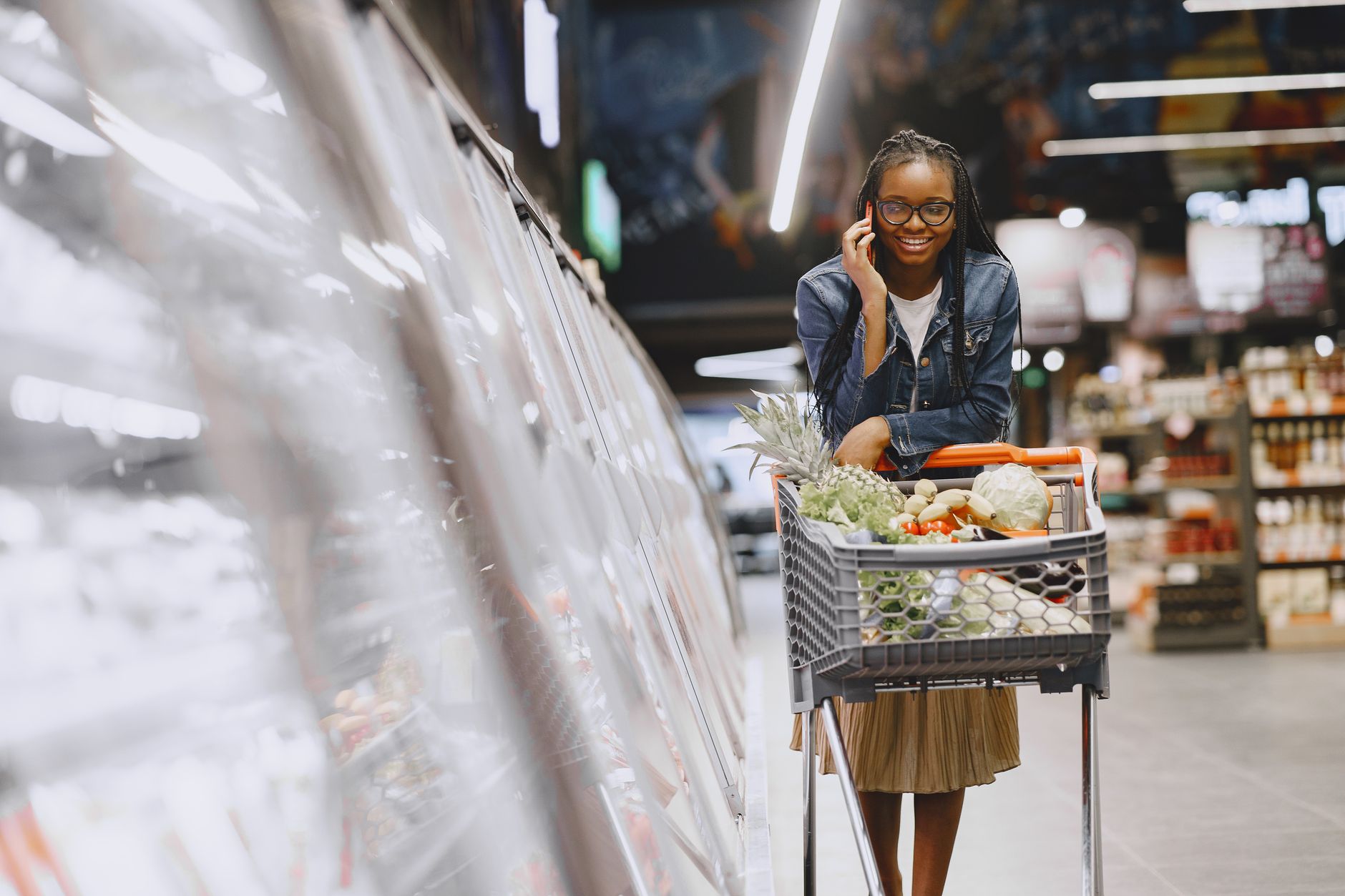
Your first Aldi run in Germany can feel like a pop quiz you never studied for. The cashier scans your items at a speed that seems designed to embarrass foreigners, there's no one bagging your shopping, and a stranger is staring at you because you haven't fed a coin into the cart yet. Nobody hands you a manual for this. You just get thrown into the deep end between unpacking boxes at your new flat and figuring out your Girokonto fees for expats in Germany 2026: compare total costs.
On 7 August 2026, the Statistisches Bundesamt (Destatis) published its latest Verbraucherpreise release, confirming that food and non-alcoholic beverage prices kept rising on an annual basis in July 2026, again outpacing headline consumer inflation. The exact percentage shifts month to month, so don't quote a number from a blog post, check the current figure directly on the Destatis Verbraucherpreisindex page. What matters for you as a newcomer is simpler: prices are moving, and knowing where and how to shop makes a real difference to your monthly budget.

How Grocery Shopping Works in Germany: The Newcomer Rules
The first thing that trips up almost every expat is the Wagenpfand, the coin deposit on shopping carts. You need a 0.50 EUR or 1 EUR coin (the exact amount depends on the chain) to unlock a cart from the row outside the store. Push the cart back into the chain and lock it in, and your coin pops back out. No coin in your pocket means no cart, so keep change on you or grab a basket instead.
The second shock is at the register. German cashiers scan fast, and nobody bags your groceries for you. You're expected to load everything back into your cart or basket at the end of the belt, pay, and then move to a side counter to actually pack your bags while the next customer's items are already being scanned. Practice loading fast, or you'll feel the queue glaring at you.
Bring your own bag. Since the German packaging law changes that phased out most free plastic bags years ago, stores either don't offer bags at all or charge 0.15 to 0.30 EUR for a paper or reusable one. A foldable tote in your daypack solves this permanently. Cash is still widely accepted at discounters, though card and contactless payment (girocard, Apple Pay, Google Pay) work at essentially every till now, including at Aldi and Lidl.
Tip: Weigh your own produce. Most Rewe and Edeka locations have a scale in the produce aisle where you print a barcode sticker before checkout. Skip it and the cashier has to call someone over, which slows everyone down and earns you a look.
Types of Grocery Stores: Discounters, Supermarkets, and Hypermarkets
Aldi, Lidl, Netto, and Penny are the discounters (Discounter). Smaller stores, fewer brands, lower prices, and a rotating aisle of non-food specials (tools, clothes, camping gear) that regulars check every Monday and Thursday. Aldi Süd and Aldi Nord still technically operate as separate companies depending on the region you're in, but the shopping experience is nearly identical.
Rewe and Edeka are full supermarkets (Supermarkt) with a much wider selection, dedicated bakery and butcher counters, and international sections that actually stock things like tortillas, tahini, or soy sauce beyond the bare minimum. Prices run higher than discounters, but the choice is worth it if you cook a specific cuisine regularly.
Kaufland is Germany's closest thing to a hypermarket, closer to what a Walmart or a Carrefour feels like: groceries, electronics, clothing, and household goods under one roof, often in a standalone building with a large car park on the edge of town. There isn't a true one-to-one German equivalent to Walmart in city centers, but Kaufland and, for non-grocery big-box shopping, Real (mostly absorbed by Kaufland since 2022) come closest.
- Aldi and Lidl - cheapest baseline prices, smallest stores, best for weekly staples.
- Netto and Penny - similar discount pricing, slightly different private-label ranges worth comparing.
- Rewe and Edeka - full-service supermarkets with fresh counters and imported goods.
- Kaufland - hypermarket format for a big monthly stock-up trip.
Are German Groceries Cheap? Prices and Budgets as of 2026
Germany is still one of the cheaper grocery markets in Western Europe, largely because discounters like Aldi and Lidl set the price floor that other chains have to compete against. That said, "cheap" is relative. As of 2026, groceries here cost noticeably less than in Switzerland or Norway, roughly comparable to France, and somewhat more than Poland or the Czech Republic.
Realistic monthly budgets vary a lot by how much you cook, where you shop, and whether you buy meat and imported products regularly. These ranges assume a mix of discounter staples and occasional supermarket trips:
| Household size | Monthly grocery budget (EUR, as of 2026) | Notes |
|---|---|---|
| Single person | 200 to 280 EUR | Mostly discounters, home cooking, minimal takeout |
| Couple, no kids | 350 to 480 EUR | Mix of discounter and supermarket, some imported goods |
| Family of four | 600 to 800 EUR | Includes school lunches, more meat and dairy |
If you're budgeting tightly while your first paycheck clears, this is exactly the category an Emergency Fund Guide for Expats in Germany: 2026 Complete Strategy can help you plan around, since groceries are one of the few costs you can trim fast if income gets tight for a month.
Pfand: Germany's Bottle and Can Deposit System Explained
Pfand is the deposit charged on most bottles and cans, and it's non-negotiable if you want to avoid quietly bleeding money every week. There are two flavors: Einweg (single-use, mostly plastic bottles and cans) carries a 0.25 EUR deposit, while Mehrweg (reusable glass bottles, common for beer and some water brands) runs 0.08 to 0.15 EUR depending on the bottle. These amounts are set under Germany's packaging law and have stayed stable for years, but double check the current rates on the Verbraucherzentrale Pfand page before you assume nothing has moved.
Here's how the return actually works at the store:
- Find the Leergut machine - usually near the entrance or at the back by the drinks aisle, look for "Leergutautomat" or "Pfandautomat" signage.
- Feed bottles in one at a time - the scanner reads the barcode and rejects anything without a valid Pfand code, so don't try to sneak in a bottle from another country.
- Print your receipt - press the green button when you're done and the machine spits out a Pfandbon (voucher).
- Redeem at checkout - hand the Pfandbon to the cashier and it's deducted from your bill, or ask for cash back if you're not buying anything.
Skip the machine at your own risk. Some smaller shops still take Leergut over the counter, but almost every Rewe, Edeka, Aldi, and Lidl has an automated Leergutautomat now, and lines form fast on Saturday mornings.
German Grocery Vocabulary and Store Signage Cheat Sheet
You don't need fluent German to shop, but a handful of words save you from standing in the wrong aisle for ten minutes.
- Milchprodukte - dairy products (milk, yogurt, cheese)
- Tiefkühlkost - frozen food
- Backwaren - baked goods, usually the fresh bread aisle or bakery counter
- Haltbarkeitsdatum or MHD (Mindesthaltbarkeitsdatum) - best-before date, not a hard expiry
- Sonderangebot - special offer, look for a red price tag
- Bio - organic, distinct from the brown compost bin also called Bio
- Kasse - checkout / till
- Bitte hier warten - please wait here, common at deli or bakery counters with a ticket system
Store shelf labels also flag allergens and origin. A little yellow or orange sticker near the price often marks a Sonderangebot, and a green leaf icon usually signals a regional or Bio product line, though it's worth reading the fine print since "regional" isn't a legally protected word the way Bio is.
Online Grocery Delivery and Click-and-Collect Options
Rewe Lieferservice lets you order a full weekly shop online with delivery windows booked days in advance, which works well if you're stocking a family kitchen and don't want to haul it home on foot. Delivery fees run roughly 3 to 5 EUR depending on your order size and slot, and minimum order values usually sit around 40 to 50 EUR.
Flink and Picnic are quick-commerce apps built for smaller, faster orders. Flink promises delivery in under 15 minutes from local dark stores in bigger cities like Berlin, Munich, and Hamburg, and it's genuinely useful when you forgot one ingredient mid-recipe. Picnic runs a scheduled model with a small delivery fee (often under 3 EUR) and a strong private-label range, popular in the Rhine-Ruhr area and parts of the north.
Click-and-collect through Kaufland and some Edeka locations lets you order online and pick up your bags at a drive-through counter without unloading a cart yourself. It's slower to set up the first time (you'll need to create an account and sometimes verify your address) but saves real time once you're a regular.
Note: Delivery apps generally require a German phone number and address for account verification, so get this sorted after your Anmeldung, not before.
Beyond Groceries: Daily Life Essentials for New Expats
Store hours in Germany are shorter and stricter than most expats expect. Regular supermarkets typically open around 7 or 8 in the morning and close between 8 and 10 at night on weekdays and Saturdays, governed by state-level Ladenschlussgesetz rules. Sunday closures are near universal for regular grocery stores. Your only options are Spätis (late-night kiosks common in Berlin), gas station shops, and grocery counters inside train stations like Berlin Hauptbahnhof or Munich Hauptbahnhof, which are exempt because they're classified as travel facilities.
Mülltrennung (waste separation) is the other adjustment that trips people up fast. You'll sort into a black or grey bin for Restmüll (general waste), a blue bin for Papier (paper and cardboard), a yellow bin or yellow bag for Verpackungen (packaging, the Gelbe Tonne or Gelber Sack), and a brown or green bin for Bio (organic waste). Glass goes into public Altglas containers sorted by color, not your household bins, and most buildings post a schedule showing which bin goes out on which week.
Getting around to do all this shopping matters too. If you're relying on public transport for your weekly Kaufland run, it's worth comparing costs through the Deutschlandticket for Expats: 2026 Costs, City Passes & BahnCard guide before you commit to a monthly pass. And if groceries are eating a bigger share of your budget than expected because your income hasn't caught up yet, the How to Find a Job in Germany as an Expat: 2026 Playbook covers the practical side of closing that gap.
Money-Saving Tips for Grocery Shopping as an Expat
Store-brand switching is the single biggest lever. Aldi's Gut Bio, Lidl's Bio Organic, and Rewe's Ja! or Edeka's Gut & Günstig lines run 20 to 40 percent cheaper than name brands for near-identical products in most categories. Test a few before assuming the branded version is better, most people can't tell the difference blind.
- Read the weekly Prospekt - flyers land in your mailbox or app every Monday and Thursday, and discounters rotate deep cuts on meat, cheese, and household goods.
- Use store apps - the Rewe and Edeka apps issue personalized coupons and digital Payback points that stack with in-store deals.
- Shop the reduced shelf - look for yellow "reduziert" stickers near the bakery and produce sections in the evening, often 30 to 50 percent off items close to their MHD.
- Buy seasonal produce - German asparagus (Spargel) season runs April through June and prices spike outside that window, the same logic applies to strawberries, tomatoes, and stone fruit.
If your budget is tight enough that grocery costs are affecting your savings runway, it's worth stepping back and looking at your account setup too, since some Girokonto packages bundle cashback or discount partnerships with supermarkets that quietly offset a chunk of your monthly bill.
Frequently Asked Questions
Is there a German equivalent to Walmart?
Not exactly. Kaufland comes closest as a hypermarket chain selling groceries alongside electronics and household goods, and Real filled a similar role before most of its stores were converted to Kaufland locations starting in 2022. There's no single dominant everything-store the way Walmart operates in the US.
Why do German supermarkets require a coin for the shopping cart?
The Wagenpfand deposit, usually 0.50 EUR or 1 EUR, keeps carts from being abandoned in parking lots or stolen. Locking your cart back into the chain to retrieve your coin gives everyone an incentive to return it themselves instead of leaving the job to staff.
Do I need to bring my own bags when grocery shopping in Germany?
Yes, or be ready to pay 0.15 to 0.30 EUR for a paper or reusable bag at checkout. Most Germans carry a foldable tote or a sturdy string bag (Jutebeutel) in their daily bag for exactly this reason.
Are groceries expensive in Germany compared to other European countries?
Germany sits in the mid-to-lower range for Western Europe as of 2026, cheaper than Switzerland or Norway, roughly on par with France, and a bit pricier than Poland or the Czech Republic. Discounters like Aldi and Lidl keep the overall market price floor low.
What is Pfand and how do I get my deposit back?
Pfand is the bottle and can deposit, 0.25 EUR for single-use containers and 0.08 to 0.15 EUR for reusable glass. Feed empties into a Leergutautomat at any major supermarket, take the printed Pfandbon voucher, and redeem it at the till for cash or a discount on your bill.
Are supermarkets open on Sundays in Germany?
Regular grocery stores are closed on Sundays almost everywhere in Germany under the Ladenschlussgesetz. Your fallback options are Spätis, gas station shops, and grocery counters inside major train stations, which are legally exempt from the Sunday closure rule.
Final Thoughts
None of this takes long to get used to. Carry a coin, bring a bag, load your own cart fast at checkout, and keep a small stash of empties for the Leergutautomat. Within a month it stops feeling like a system designed to trip you up and starts feeling like the most efficient way you've ever shopped.
Common questions
- How much is the Wagenpfand coin deposit for a shopping cart in Germany?
- You need a 0.50 EUR or 1 EUR coin to unlock a cart, and the exact amount depends on the chain. Push the cart back and lock it in to get your coin back.
- Do German cashiers bag your groceries for you?
- No, nobody bags your groceries for you in Germany. You load your items back into your cart or basket after scanning, pay, then move to a side counter to pack your bags.
- How does the Pfand bottle deposit system work?
- Einweg single use bottles and cans carry a 0.25 EUR deposit, while Mehrweg reusable glass bottles run 0.08 to 0.15 EUR depending on the bottle. You feed bottles into a Leergutautomat machine, print a Pfandbon voucher, and redeem it at checkout for money off your bill or cash back.
- What is a realistic monthly grocery budget in Germany in 2026?
- A single person can expect to spend 200 to 280 EUR mostly at discounters, a couple with no kids 350 to 480 EUR with a mix of discounter and supermarket shopping, and a family of four 600 to 800 EUR including school lunches and more meat and dairy.