Shopping & Daily Life
Cost of Living in Germany for Expats 2026: Monthly Budget Breakdown
A single expat in a mid-sized German city needs roughly 1,441 EUR a month for basics in 2026, with the Deutschlandticket costing 63 EUR and the GEZ fee at 18.36 EUR.

Budgeting for a move to Germany usually feels like guesswork until you see your first Lohnabrechnung (payslip). The gap between a gross salary and your actual take-home pay is significant, often shrinking by 35% to 42% due to taxes and social security. Once that net amount hits your account, the biggest battle is the housing market, where a single month's rent in Munich can equal a quarterly budget in Leipzig.

Key Cost Categories for Expats in Germany
Your monthly spending will generally split into fixed and variable costs. Fixed costs are the non-negotiables: rent, electricity, health insurance, and the mandatory broadcasting fee. Variable costs include groceries, dining out, and leisure. For most expats, housing consumes 30% to 50% of their net income, especially in A-cities like Berlin, Munich, or Hamburg.
Beyond the basics, you need to account for one-off setup costs. These include the Kaution (rental deposit), furniture, and potential fees for Professional Recognition in Germany: Foreign Qualifications if your degree requires validation to unlock higher salary brackets.
Housing Costs: Rent, Deposit, and Utilities
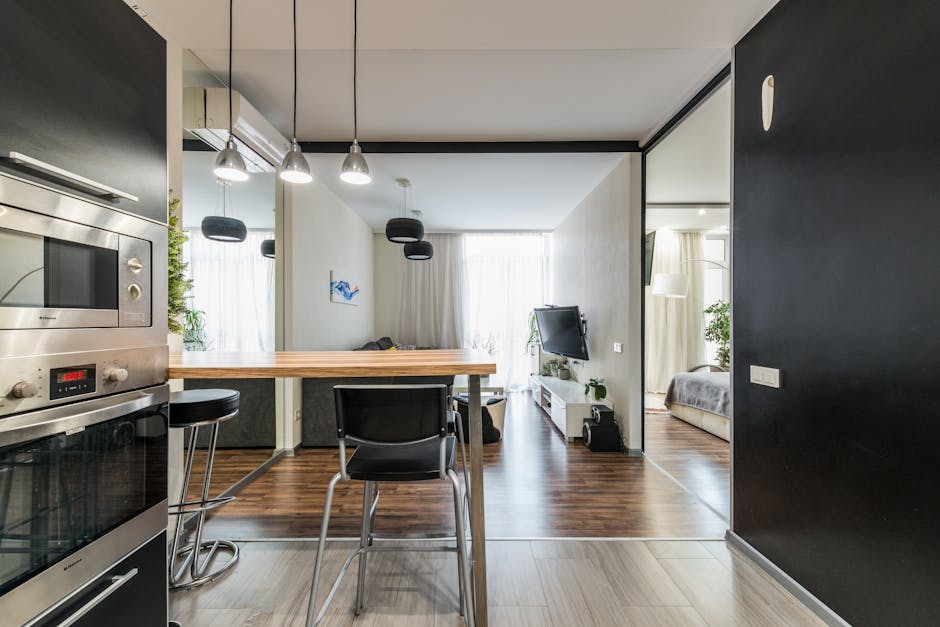
Rent is quoted in two ways: Kaltmiete (cold rent, the base cost) and Warmmiete (warm rent, including heating and service charges). As of November 2026, a one-bedroom apartment in Berlin typically ranges from 800 EUR to 1,300 EUR warm, while in smaller cities like Magdeburg or Essen, you might find similar spaces for 500 EUR to 800 EUR.
You pay this upfront, and the landlord must keep it in a separate savings account. To secure a flat, you'll need a Schufa-Auskunft (credit report). If you're new to the country, you can learn How to Build Credit Score in Germany as an Expat (2026 Guide to make your applications more competitive.
Tip: Always check if your apartment is "furnished" (möbliert). Furnished flats often have higher rents and shorter notice periods, but they are easier to find for newcomers who haven't yet completed The Complete Anmeldung Guide: Register Your Address in Germa.
Average Monthly Utilities (2026)
- Electricity: 60 EUR to 100 EUR for a single person, depending on the provider and usage.
- Internet: 30 EUR to 50 EUR for a standard DSL or Fiber connection.
- Heating/Water: Usually included in the Warmmiete, but you may face a yearly Nebenkostenabrechnung (utility bill reconciliation) where you pay more or get a refund.
Food & Grocery Expenses
Shortcut: see our ranked picks for Best Way to Find an Apartment as an Expat in Germany.
Compare now →Grocery costs in Germany remain competitive compared to other EU nations, provided you shop at discounters like Aldi, Lidl, or Netto. For a single expat, a monthly grocery budget of 250 EUR to 400 EUR is realistic as of 2026.
Typical price points for staples in 2026 include:
- Milk (1L): 1.05 EUR to 1.40 EUR
- Eggs (10 pack): 2.50 EUR to 3.50 EUR
- Bread (Loaf): 1.5 EUR to 4.00 EUR
- Chicken Breast (500g): 6.00 EUR to 9.00 EUR
Eating out varies wildly. A Döner kebab or a slice of pizza costs 6 EUR to 9 EUR, while a mid-range three-course dinner with a drink typically costs 30 EUR to 50 EUR per person.
Transportation & Mobility Costs
Public transport is the backbone of German mobility. The Deutschlandticket is the gold standard for expats, costing 63 EUR a month as of November 2026. It provides unlimited travel on all regional trains, buses, and trams across Germany. Note that the price is planned to increase to 66.80 EUR from 2027-01-01.
For those who prefer cars, ownership is expensive. Between fuel, insurance, and the annual vehicle tax, a small car costs roughly 200 EUR to 400 EUR a month to maintain. Many expats opt for bike-sharing apps or buy a used bicycle, which is the cheapest way to navigate cities like Münster or Berlin.
Health Insurance, Mandatory Fees, and the GEZ
Health insurance is compulsory in Germany. If you earn above the Versicherungspflichtgrenze (compulsory insurance threshold) of 77,400 EUR a year (6,450 EUR a month) as of 2026, you can choose between statutory (GKV) and private (PKV) insurance. For most, statutory insurance is the safer bet. TK (Techniker Krankenkasse) is Germany's largest public insurer and is highly recommended for expats due to its excellent English support.
Another mandatory cost is the Rundfunkbeitrag (broadcasting fee). Every household must pay 18.36 EUR a month, regardless of whether you own a TV or radio. This is a flat fee per apartment, not per person.
Note: If you have a pet, remember that health insurance for animals is not statutory. To avoid overpriced policies, read our guide to Avoid the €200 Pet Insurance Mistake: 2026 Expat Guide for G.
Taxes, Net Salary, and Social Contributions
Your gross salary is not what you spend. Social security contributions (pension, unemployment, health, and care insurance) are deducted automatically. As of November 2026, the health and care insurance contribution ceiling is 69,750 EUR a year (5,812.50 EUR a month). Pension and unemployment ceilings are higher, at 101,400 EUR a year (8,450 EUR a month).
Income tax is progressive. The basic income tax allowance (Grundfreibetrag) for 2026 is 12,348 EUR (24,696 EUR for joint couples), meaning you pay no tax on income below this threshold. The 42% tax rate kicks in at 69,879 EUR of taxable income.
To manage these complexities and potentially get a refund, use Wundertax, a simple online tax return software in English. You should also check if you are liable for Church Tax in Germany for Expats: Cost & How to Opt Out 2026, which can take another 8% to 9% of your income tax if you are registered as a member of a church.
Sample Monthly Budget & How to Use Our Calculators
Here is a realistic monthly budget for a single expat living in a mid-sized city (e.g., Cologne or Leipzig) as of 2026:
| Category | Estimated Cost |
|---|---|
| Rent (Warm) | 750 EUR |
| Electricity & Internet | 110 EUR |
| Groceries & Household | 300 EUR |
| Deutschlandticket | 63 EUR |
| Broadcasting Fee (GEZ) | 18.36 EUR |
| Leisure & Dining | 200 EUR |
| Total | 1,441.36 EUR |
This budget assumes your health insurance is deducted from your gross pay. If you are self-employed, you must add the health insurance premium, which has a minimum assessment base of 1,318.33 EUR a month as of 2026.
Affordable Cities and Money-Saving Tips for Expats
If you have the flexibility to choose your location, avoid the "Big Three" (Munich, Hamburg, Frankfurt). Cities like Leipzig, Dresden, and Bremen offer a high quality of life with significantly lower rents. In the East, you can often find apartments for 40% less than in Munich.
To save money daily, utilize the Pfand (bottle deposit) system. Returning plastic bottles and glass at the supermarket provides a small but steady credit. For long-term savings, consider Best Robo-Advisors for Expats in Germany in 2026: Full Compa to automate your investments with low fees.
Common questions
- What is the average monthly cost of living for a single expat in Germany in 2026?
- A single expat in a mid-sized city typically spends around 1,441 EUR per month, including rent, utilities, food, and transport.
- How much rent should I expect to pay in Berlin versus smaller German cities in 2026?
- Berlin one-bedroom flats typically range from 800 to 1,300 EUR warm, while smaller cities like Magdeburg or Essen offer options between 500 and 800 EUR.
- What are the mandatory health-insurance contributions for expats as of November 2026?
- Contributions are based on income, with a health and care insurance ceiling of 69,750 EUR per year as of 2026.
- How do taxes and the GEZ fee impact my net monthly budget?
- Taxes and social security can reduce gross pay by 35% to 42%, while the GEZ broadcasting fee is a fixed cost of 18.36 EUR per month per household.
Our picks
Best Way to Find an Apartment as an Expat in Germany [2026]
A short, opinionated shortlist. Affiliate links can help fund hosting, but nothing here is paid placement, and we only list services we’d use ourselves. See the full comparison →
Wunderflats
4.2Furnished apartments for medium-term stays (from one month). Verified landlords, no SCHUFA needed.
Pros
- Furnished and ready to move in
- No SCHUFA required
- All-inclusive pricing
Cons
- Higher monthly rent than unfurnished
- Limited availability in smaller cities
If you sign up through a partner link, we may earn a commission at no extra cost to you. This is general information, not financial or tax advice. Learn more.


