Transportation
Getting Around Germany: Trains, Buses, and the Deutschlandticket 2026
Deutsche Bahn confirmed autumn 2026 ICE frequency increases on 12 August, and the Deutschlandticket still won't get you on any of those trains without a separate fare.
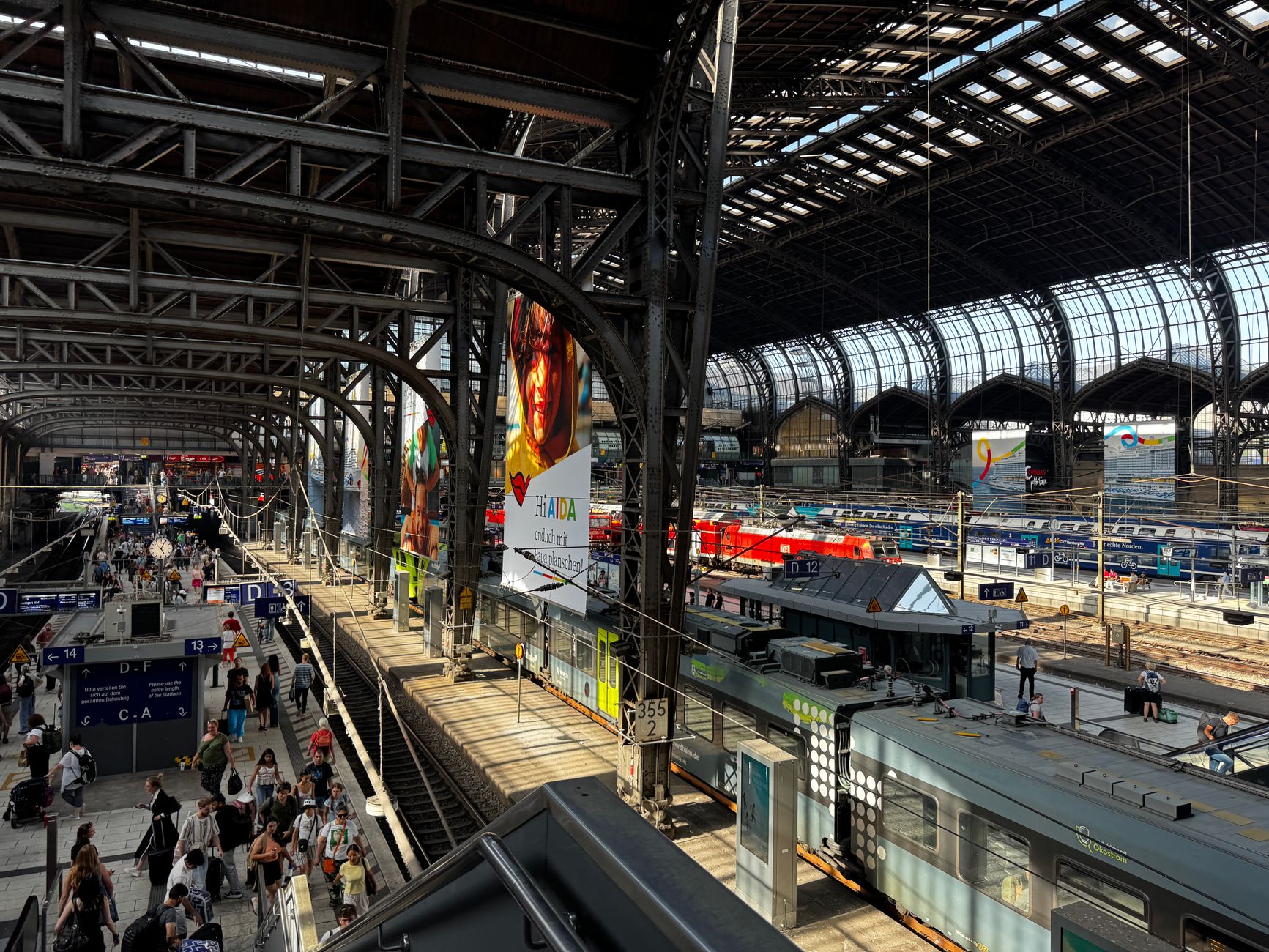
You land at Frankfurt or Berlin Brandenburg with a suitcase, a phone full of half-downloaded apps, and zero idea whether you need a car. The good news: you probably don't. Germany's public transport network is one of the densest in Europe, and once you understand how the pieces click together, getting from your Kiez to a client meeting three states away stops feeling like a puzzle. On 12 August 2026, Deutsche Bahn's press office confirmed on its official newsroom page that the autumn 2026 timetable will add extra ICE frequencies on the Berlin-Munich and Cologne-Frankfurt corridors, part of a broader capacity push tied to record passenger numbers on long-distance routes. That expansion matters for anyone weighing whether to rely on trains full time, because more frequent departures mean fewer missed connections and less pressure to book weeks ahead.
This guide walks through how trains, buses, and trams actually fit together, what the Deutschlandticket covers as of August 2026, and where the gaps are once you leave a city center. *Read the ticket-check and rural-transport sections closely* if you're moving somewhere smaller than Hamburg or Leipzig, because the rules and the reliability change fast outside the big metro areas.

How Germany's Public Transport System Fits Together
Germany doesn't run one national transit network. It runs dozens of regional ones stitched together by Deutsche Bahn's long-distance trains and a patchwork of local Verkehrsverbund (transport associations) that each set their own zones, tickets, and apps. Once you get the layers, planning trips gets a lot easier.
- U-Bahn and S-Bahn: Subway and suburban rail inside big cities like Berlin, Munich, and Hamburg. Fast, frequent, and covered by local day passes or the Deutschlandticket.
- Trams (Straßenbahn): Street-level rail common in cities like Leipzig, Dresden, and Freiburg. Same fare zones as buses and U-Bahn in most cities.
- Regional trains (RE, RB): Slower trains connecting towns within a state or region, run by companies like DB Regio, Transdev, or Abellio depending on the state contract.
- Long-distance trains (ICE, IC, EC): Deutsche Bahn's premium and inter-city services connecting major cities across Germany and into neighboring countries.
- Buses: City buses fill gaps between rail lines; regional buses reach villages with no train station at all; long-distance coaches like FlixBus connect cities directly.
Each Verkehrsverbund, such as the VBB in Berlin-Brandenburg or the MVV in Munich, runs its own app and fare structure for local trips. But since May 2023, the Deutschlandticket has flattened almost all of that complexity for regional and local travel into a single flat-rate subscription. Long-distance trains are the one big exception, and we'll get into exactly where that line falls.
The Deutschlandticket in 2026: Price, Coverage, and How to Buy It
The Deutschlandticket is a subscription-based ticket valid on nearly all local and regional public transport across the country. It launched at 49 EUR a month in May 2023 and was raised to 58 EUR a month starting January 2025. As of August 2026, check the official Deutschlandticket portal for the current price before you commit, since transport ministers meet periodically to reassess the rate and another adjustment is possible. Don't trust a number you saw on a forum from 2024.

What it actually covers:
- All local and regional trains (RE, RB, S-Bahn) nationwide, no zone restrictions.
- City buses, trams, and U-Bahn in every German city, from Berlin's BVG network to Munich's MVG.
- Regional buses connecting towns and villages within any state.
- Not ICE, IC, EC, or long-distance FlixTrain and FlixBus services.
Buying it is simple: sign up through the DB Navigator app, your local transit provider's app, or directly through participating providers like Deutsche Bahn or your city's Verkehrsverbund. It's a digital ticket tied to your phone (or a physical chip card if you request one), and it auto-renews monthly. Cancellation requires giving notice by the 10th of the month for it to stop at the end of that same month, so if you sign up expecting to cancel after a short stay, mark that date in your calendar. For a full cost breakdown against regional passes and the BahnCard, see our guide on Deutschlandticket for Expats: 2026 Costs, City Passes & Bahn.
Tip: Some cities offer discounted Deutschlandticket versions for students, apprentices, or low-income residents through local Jobcenters. Ask your Verkehrsverbund directly since these discounts don't show up on the national portal.
Long-Distance Trains: ICE, IC, and Regional Trains Explained
This is the single most common mistake new arrivals make: assuming the Deutschlandticket covers every train. It doesn't. Deutsche Bahn splits its network into Fernverkehr (long-distance) and Nahverkehr (local/regional), and the ticket only covers the latter.
- ICE (InterCityExpress): The fastest trains, hitting up to 300 km/h on dedicated high-speed lines. Berlin to Munich takes about 4 hours. Not covered by the Deutschlandticket.
- IC/EC (InterCity/EuroCity): Slightly slower, older rolling stock, still long-distance. Also not covered.
- RE (Regional-Express): Fewer stops than local RB trains but still classified as regional. Fully covered by the Deutschlandticket, even for long hauls, and this is the loophole savvy travelers use, since an RE from Hamburg to Berlin (roughly 2.5 hours) is included even though it covers real distance.
- RB (Regionalbahn): Stops everywhere, slowest option, fully covered.
If your route only exists as an ICE or IC line, you'll need a separate ticket. Deutsche Bahn's Sparpreis fares can start around 20 to 30 EUR one-way if booked weeks ahead, but prices climb fast closer to departure. Buy through the DB Navigator app or bahn.de, and lock in a Flexpreis only if your plans are genuinely uncertain since it costs two to three times more. Frequent long-distance travelers should compare the Deutschlandticket plus a BahnCard 25 or 50 against a Bahncard alone, a comparison we cover in depth in that same Deutschlandticket for Expats: 2026 Costs, City Passes & Bahn guide.
Buses: City Routes, Regional Lines, and Long-Distance Coaches
Buses handle three completely different jobs in Germany, and it's worth keeping them separate in your head.
City buses fill gaps where trams and U-Bahn don't reach, especially in smaller cities like Freiburg, Münster, or Regensburg that never built subway systems. These run on the same local fare as trams and are fully covered by the Deutschlandticket.
Regional buses connect villages and small towns to the nearest train station, often timed to meet specific regional trains. In rural Bavaria or Mecklenburg-Vorpommern, these can run just once an hour, or once every two hours outside peak times. They're covered by the Deutschlandticket too, but the schedule is the real constraint, not the fare.
Long-distance coaches, led by FlixBus, connect major cities directly and compete with ICE trains on price. A Berlin to Munich FlixBus ticket can run 20 to 40 EUR depending on how far ahead you book, versus 80 EUR or more for a walk-up ICE ticket. The tradeoff is time: that same coach trip takes 7 to 8 hours against 4 hours by ICE. FlixBus tickets are not covered by the Deutschlandticket and must be booked separately through the FlixBus app or website.
Getting Around Without a Car in Rural Areas
Cities like Berlin, Munich, and Hamburg run transit every few minutes well past midnight. Rural Germany is a different world. In parts of Brandenburg, Saxony-Anhalt, or the Eifel region, the last bus of the day can leave before 8pm, and Sunday schedules sometimes drop to two or three departures total.
A few workarounds locals actually use:
- Rufbus / AnrufSammelTaxi (on-demand buses): Many rural counties run demand-responsive shuttles you book by phone or app an hour or two ahead. They follow flexible routes and stop wherever you request within a service zone. Search your Landkreis name plus "Rufbus" to find the local provider.
- Mitfahrgelegenheit (ride-share): Platforms like BlaBlaCar connect drivers heading your direction for a shared cost, common for weekend trips between smaller towns.
- Car-sharing services: Providers like SHARE NOW or Miles operate in mid-size cities and are worth a membership if you need a car once or twice a month rather than owning one.
- E-bikes and regional bike-share: Several rural tourism regions have installed bike-share stations to connect train stations to surrounding villages, useful in warmer months.
Don't assume Google Maps has the full picture in rural areas. Rufbus services and small operator schedules are frequently missing or outdated in mainstream apps, so check the local Verkehrsverbund site directly before you plan a trip around a bus that may not actually run that day.
Apps and Tools for Planning Trips
You'll want more than one app installed, because coverage quality varies by region.
- DB Navigator: Deutsche Bahn's official app. Books ICE, IC, and regional tickets, shows live platform and delay info, and lets you activate or manage a Deutschlandticket. The single most useful app for national trips.
- Öffi: A free, open-source Android app that pulls real-time data from most German transit associations. Popular with expats because it's lighter and faster than city-specific apps, and it works well across regional boundaries.
- City-specific apps: BVG (Berlin), MVV (Munich), HVV (Hamburg), and VVS (Stuttgart) all run their own apps with live disruption alerts and local ticket purchase options. Worth installing for your home city even if you use DB Navigator or Öffi for everything else.
- FlixBus app: For booking long-distance coach tickets and tracking live bus locations, which matters since coach delays aren't always reflected in transit aggregators.
If you're relocating for work and need to plan commutes before you've even signed a lease, cross-reference transit apps with neighborhood options while you're still job hunting. Our How to Find a Job in Germany as an Expat: 2026 Playbook covers how commute time factors into where expats typically choose to live.
Ticket Checks and Fines for Riding Without a Valid Ticket
Germany runs on an honor system for most local and regional transport. There are no turnstiles on most trams, buses, or regional trains. That doesn't mean it's optional. Plainclothes inspectors from the local Verkehrsverbund or Deutsche Bahn board trains and buses at random, ask for your ticket, and issue an on-the-spot fine if you don't have a valid one.
Riding without a ticket is called Schwarzfahren, and it's treated as a real offense, not a parking-ticket-level inconvenience. The standard erhöhtes Beförderungsentgelt (increased transport fee) is 60 EUR per incident as of 2026, payable on the spot or by mail afterward. Beyond the fine, inspectors log your ID details, and repeat offenses can be reported and prosecuted under Section 265a of the German Criminal Code (Strafgesetzbuch), which technically covers obtaining services by deception. That can mean a court summons, a criminal record entry, or a fine reaching into the hundreds of euros for repeat cases.
Warning: A malfunctioning app, an expired Deutschlandticket subscription you forgot to renew, or a ticket bought on the wrong zone still counts as no valid ticket. Inspectors don't make exceptions for technical issues, so double-check your ticket status before boarding, especially right after a payment card expires or changes.
If you're new and unsure whether your ticket covers a specific route, buy a short single-ride ticket as a backup rather than guessing. It's a few euros against a 60 EUR fine.
Practical Tips: Bikes on Trains, Luggage, and Accessibility
A few logistics that trip up newcomers even after they've figured out the ticket system:
- Bikes on regional trains: You generally need a separate Fahrradkarte (bike ticket) to bring a bicycle on regional trains, even with a valid Deutschlandticket, and prices vary by state Verkehrsverbund, typically a few euros per trip. Some networks bundle a monthly bike add-on. Check your regional operator's page before assuming it's free.
- Bikes on ICE and IC trains: Bike spots are limited and reservation is mandatory, usually a flat fee around 10 EUR per trip, booked in advance through DB Navigator since spots sell out on popular routes.
- Luggage: There's no formal luggage limit on German trains, but overhead racks and the end-of-carriage luggage areas fill up fast on ICE trains during holiday weekends. Arrive early to grab space, and never block the aisle.
- Accessibility: Deutsche Bahn's Mobilitätsservice provides free assistance for wheelchair users and reduced-mobility travelers boarding and disembarking, but it requires booking at least a day ahead by phone or through the DB website. Most newer trams and buses are low-floor and step-free; older regional trains and some smaller-town stations still lack ramps or elevators, so check station accessibility in advance if it matters for your trip.
- Quiet zones: ICE trains have designated Ruhebereich (quiet zone) carriages where calls and loud music aren't allowed. Worth knowing if you're working during a long trip.
Once you're settled into a routine of trains and transit apps, the next practical step for most expats is sorting out a phone plan that won't drop signal on regional lines, which our Best SIM Cards and Mobile Plans for Expats in Germany (2026 guide breaks down by network coverage. And if you're managing ticket payments and reimbursements from a freelance income, it's worth pairing your transit budget with the right account setup covered in our Best Banks in Germany for Expats: Top Picks & Guide for 2026 roundup.
FAQ: Trains, Buses, and the Deutschlandticket in 2026
Is the Deutschlandticket worth it if I only travel occasionally?
Do the math against single tickets first. A single Berlin AB-zone ticket costs a few euros, so if you're only taking public transport a handful of times a month, single tickets or a 10er-ticket strip can come out cheaper than a full monthly subscription. If you commute daily or use transit more than a couple times a week, the Deutschlandticket almost always wins on price.
Can I use the Deutschlandticket on ICE or IC trains?
No. It only covers local and regional transport, including RE and RB trains, buses, trams, and U-Bahn/S-Bahn. ICE, IC, EC, and FlixTrain services require a separate ticket.
What happens if I'm caught without a valid ticket in Germany?
You'll be charged an increased transport fee of 60 EUR on the spot as of 2026. Repeat offenses can escalate to a criminal complaint under Section 265a of the Strafgesetzbuch, potentially resulting in a court summons or a criminal record entry.
How do I buy or cancel a Deutschlandticket?
Buy it through the DB Navigator app, your local Verkehrsverbund app, or directly through Deutsche Bahn's website. To cancel, submit notice by the 10th of the month for the subscription to end at the close of that same month; otherwise it rolls into the next billing cycle.
Can I take my bike on German trains with the Deutschlandticket?
The Deutschlandticket itself doesn't include bike transport. On regional trains you typically need a separate Fahrradkarte, and on ICE/IC trains you need a paid, reserved bike spot booked in advance.
Is public transport reliable in rural parts of Germany?
It's reliable within its limited schedule, but that schedule can be sparse: hourly or two-hourly regional buses, earlier last departures, and reduced Sunday service are common outside cities. Rufbus on-demand services and ride-shares fill a lot of the gaps, but owning or renting a car still makes sense for genuinely remote areas.
Final Thoughts
Germany's transit system rewards a little upfront homework. Get the Deutschlandticket if you're using local and regional transport regularly, install DB Navigator and Öffi before your first week is over, and keep a mental note of the ICE/regional split so you're not caught paying for two tickets by mistake. If you're setting up freelance work or a new job alongside your move, our Freelancing in Germany as an Expat: Complete 2026 Step-by-St guide and our Best Private Health Insurance for Expats in Germany 2026 Gui roundup both cover logistics that tend to land in the same first-month pile as figuring out transit. Once the ticket situation clicks, getting around Germany without a car stops being a chore and starts being one of the genuine perks of living here.
Common questions
- Does the Deutschlandticket cover ICE and IC trains?
- No, the Deutschlandticket only covers local and regional transport such as RE and RB trains, city buses, trams, and U-Bahn. ICE, IC, EC, FlixTrain, and FlixBus services are not included.
- How much does the Deutschlandticket cost in 2026?
- It launched at 49 EUR a month in May 2023 and was raised to 58 EUR a month starting January 2025. As of August 2026, travelers should check the official Deutschlandticket portal for the current price since another adjustment is possible.
- Can I use the Deutschlandticket for long regional train trips like Hamburg to Berlin?
- Yes, RE trains are fully covered by the Deutschlandticket even for long hauls, so an RE from Hamburg to Berlin, which takes roughly 2.5 hours, is included despite covering real distance.
- How do FlixBus prices and travel times compare to ICE trains for a Berlin to Munich trip?
- A Berlin to Munich FlixBus ticket can run 20 to 40 EUR depending on how far ahead you book, versus 80 EUR or more for a walk-up ICE ticket, but the coach trip takes 7 to 8 hours compared to 4 hours by ICE.


